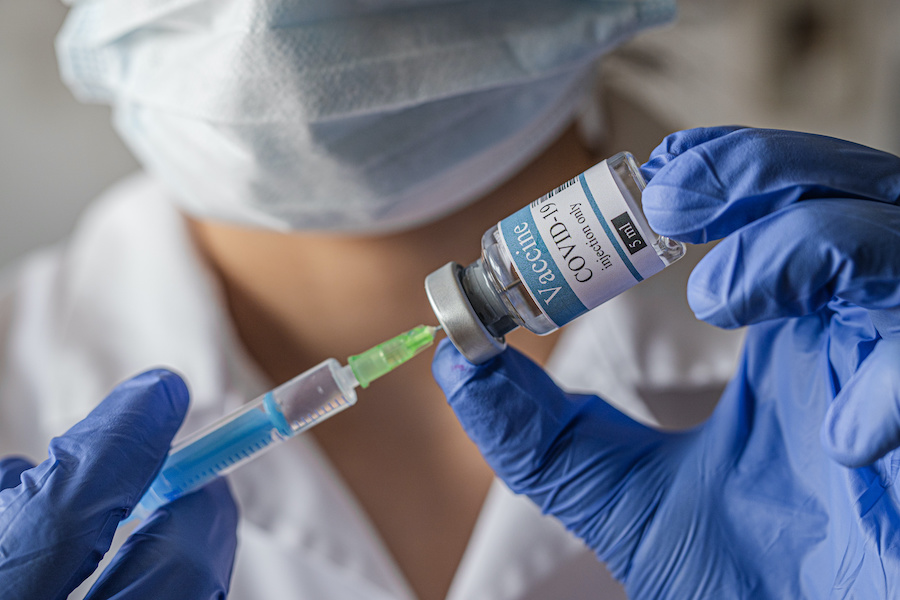
Living with a weakened immune system can present unique challenges, especially when it comes to staying healthy against common illnesses. COVID-19, in particular, has proven to be a significant threat for those whose immune defences are compromised. Fortunately, the NHS provides a vital layer of protection through its targeted vaccination programme. Understanding your eligibility and the importance of the Nhs Covid Vaccine is paramount for safeguarding your health.
For individuals with conditions or treatments that suppress their immune system, COVID-19 is not just a mild inconvenience; it can be a serious or even life-threatening illness. The virus continues to evolve, and our protection naturally wanes over time. This is precisely why the NHS regularly offers booster vaccinations, ensuring that those most vulnerable maintain robust defence. This guide will walk you through everything you need to know about your NHS COVID Vaccine plan if you have a weakened immune system.
Understanding Your Risk: Why the NHS COVID Vaccine is Crucial for a Weakened Immune System
If your immune system is compromised, your body's ability to fight off infections is reduced. This means that if you contract COVID-19, you could be at a much higher risk of experiencing severe symptoms, requiring hospitalisation, or even facing life-threatening complications. The very nature of a weakened immune system makes it harder for your body to mount an effective response to the virus on its own.
The Nhs Covid Vaccine plays a critical role in strengthening your body's defences. While no vaccine offers 100% protection against catching or spreading the virus, it significantly:
- Reduces the severity of symptoms: Should you contract COVID-19, the vaccine helps your body fight it more effectively, often leading to milder illness.
- Accelerates recovery: Vaccinated individuals often recover more quickly, minimising the long-term impact of the virus.
- Lowers hospitalisation rates: One of the most significant benefits is the reduced risk of needing hospital care due to severe COVID-19.
- Decreases mortality: For those at highest risk, the vaccine is a key factor in reducing the risk of death from COVID-19.
- Protects against evolving variants: Regular vaccination campaigns are designed to provide protection against the latest circulating variants of the virus.
Because viruses change and natural protection fades, topping up your immunity with the Nhs Covid Vaccine when eligible is a proactive step towards maintaining your health and peace of mind. To learn more about the broader benefits of vaccination, you can read our comprehensive guide: Protect Yourself: Benefits of the NHS COVID Vaccine.
Are You Eligible? Navigating NHS COVID Vaccine Criteria for Immunocompromised Individuals
Eligibility for the Nhs Covid Vaccine is carefully determined by health experts to ensure that those who need extra protection receive it. While the vaccine is generally offered in spring and early winter, specific criteria apply, particularly for individuals with weakened immune systems.
You may be offered a COVID-19 vaccine in the spring if you are:
- Aged 75 or over.
- Aged 6 months to 74 years and have a weakened immune system due to a health condition or treatment.
- Living in a care home for older adults.
Specific Conditions and Treatments Leading to a Weakened Immune System:
The NHS has identified several conditions and treatments that can lead to a weakened immune system, making you eligible for the COVID-19 vaccine. This includes, but is not limited to:
- Blood Cancers: Conditions such as leukaemia, lymphoma, or myeloma.
- Transplants: Having undergone an organ, bone marrow, or stem cell transplant.
- HIV: Living with HIV.
- Genetic Disorders: Specific genetic conditions that impair the immune system, such as severe combined immunodeficiency (SCID).
- Cancer Treatments: Currently undergoing or having recently completed chemotherapy, biological therapy, or radiotherapy.
- Steroid Medication: Taking certain doses of steroid medicine.
- Long-term Immunosuppressive Treatment: Managing conditions like lupus, rheumatoid arthritis, inflammatory bowel disease (IBD), scleroderma, or psoriasis with long-term immunosuppressants.
This list provides a summary, but it's not exhaustive. If you're uncertain about your eligibility, it is always best to consult with your local pharmacy, GP surgery, or specialist. They can assess your individual health circumstances and provide definitive guidance. Staying informed about the latest eligibility is key, and you can find more details in our guide: NHS COVID-19 Vaccine: Spring 2026 Eligibility Guide.
When and How to Get Your NHS COVID Vaccine
The Nhs Covid Vaccine programme is designed to be accessible and efficient for eligible individuals. The NHS proactively manages the vaccination schedule and will reach out to you directly if their records indicate you are eligible.
Seasonal Vaccination Rounds:
Vaccinations are typically offered in two main periods:
- Spring: For those who need extra protection, usually focusing on older adults and immunocompromised individuals.
- Early Winter: Another round for broader protection as seasonal illnesses become more prevalent.
As of now, winter COVID-19 vaccinations have concluded. The NHS will contact eligible individuals in spring 2026 for the next vaccination wave. It's important to wait for this contact rather than trying to book prematurely.
How to Get Vaccinated When Available:
Once the vaccination programme reopens and you are contacted, there will be several convenient ways to receive your Nhs Covid Vaccine:
- Online Booking: Utilise the NHS online booking service to schedule an appointment at a convenient location.
- Walk-in Sites: Many areas offer walk-in COVID-19 vaccination sites where no appointment is needed.
- Local Services: Your community pharmacy or GP surgery may offer vaccinations.
- Care Home Vaccinations: If you reside in a care home, vaccinations may be administered on-site.
Number of Doses:
For most eligible individuals, only one dose of the Nhs Covid Vaccine is needed during each vaccination period. However, for those with a severely weakened immune system due to specific health conditions or treatments (e.g., recent stem cell transplant or CAR-T therapy), an extra dose may be recommended. Your GP or specialist will assess your individual risk and advise if an additional dose is necessary for your protection.
Practical Steps for Booking Your NHS COVID Vaccine (When Service is Open):
When the booking service reopens, if you are registered with a GP surgery in England, you will typically be able to use the online service to:
- Check if you need an appointment.
- Book a new appointment.
- View or change existing appointment details.
- Cancel an appointment.
At the current time, the booking service is closed. Please remember to wait for the NHS to contact you based on your eligibility. They will provide instructions on how to proceed.
Beyond the Vaccine: Continuing Protection Strategies
While the Nhs Covid Vaccine is a cornerstone of protection, especially for those with weakened immune systems, it's part of a broader strategy for staying healthy. Even after vaccination, you can still contract or transmit COVID-19, though the risk of severe illness is greatly reduced. Therefore, continuing to follow general health advice is crucial:
- Maintain Good Hand Hygiene: Regularly wash your hands with soap and water or use an alcohol-based hand sanitiser.
- Consider Mask-Wearing: In crowded indoor spaces, on public transport, or in healthcare settings, wearing a high-quality mask can provide an extra layer of defence.
- Ensure Good Ventilation: If meeting indoors, try to open windows or use air purifiers to improve air circulation.
- Stay Home If Unwell: If you develop symptoms of a respiratory illness, it’s best to stay home to avoid spreading it to others, particularly vulnerable individuals.
- Get Tested if Symptomatic: If you have symptoms that could be COVID-19, consider taking a test to confirm and manage your actions accordingly.
- Avoid Close Contact: Try to minimise close contact with anyone who is clearly unwell.
- Other Vaccinations: Discuss with your GP other important vaccinations, such as the annual flu jab, which are vital for immunocompromised individuals.
- Healthy Lifestyle: Support your overall immune health through a balanced diet, adequate sleep, regular physical activity (as appropriate), and stress management.
These practices, combined with the protection offered by the Nhs Covid Vaccine, create a comprehensive approach to safeguarding your health and wellbeing.
The Nhs Covid Vaccine programme is a testament to the commitment to protect the most vulnerable members of our society. If you have a weakened immune system, understanding your eligibility, knowing when to expect contact from the NHS, and taking action when advised are crucial steps. While waiting for the spring 2026 vaccination round, continue to practice good hygiene and other protective measures. Staying informed and proactive is your best defence against COVID-19.